.png)



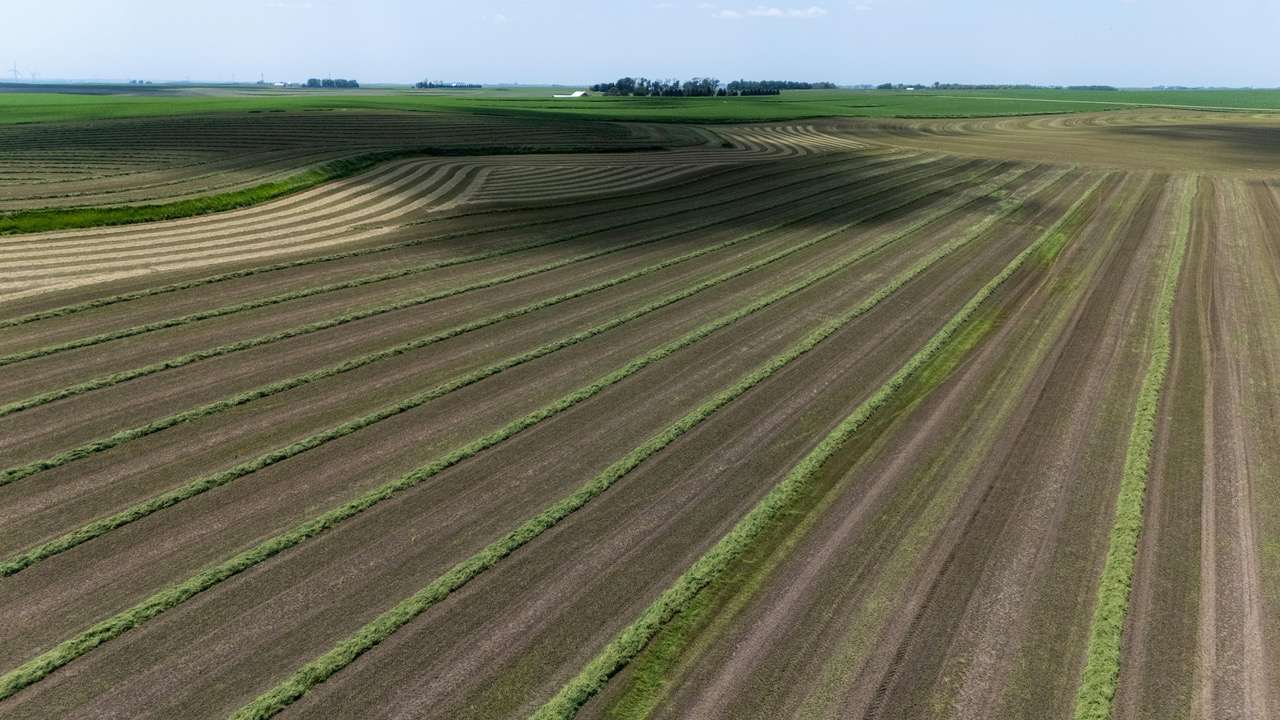
Biochar in agriculture—soil improvement that lasts
Across research, biochar is frequently discussed as a soil amendment that can improve soil properties such as nutrient retention, water holding capacity, and soil biology, with outcomes influenced by biochar type and local conditions.
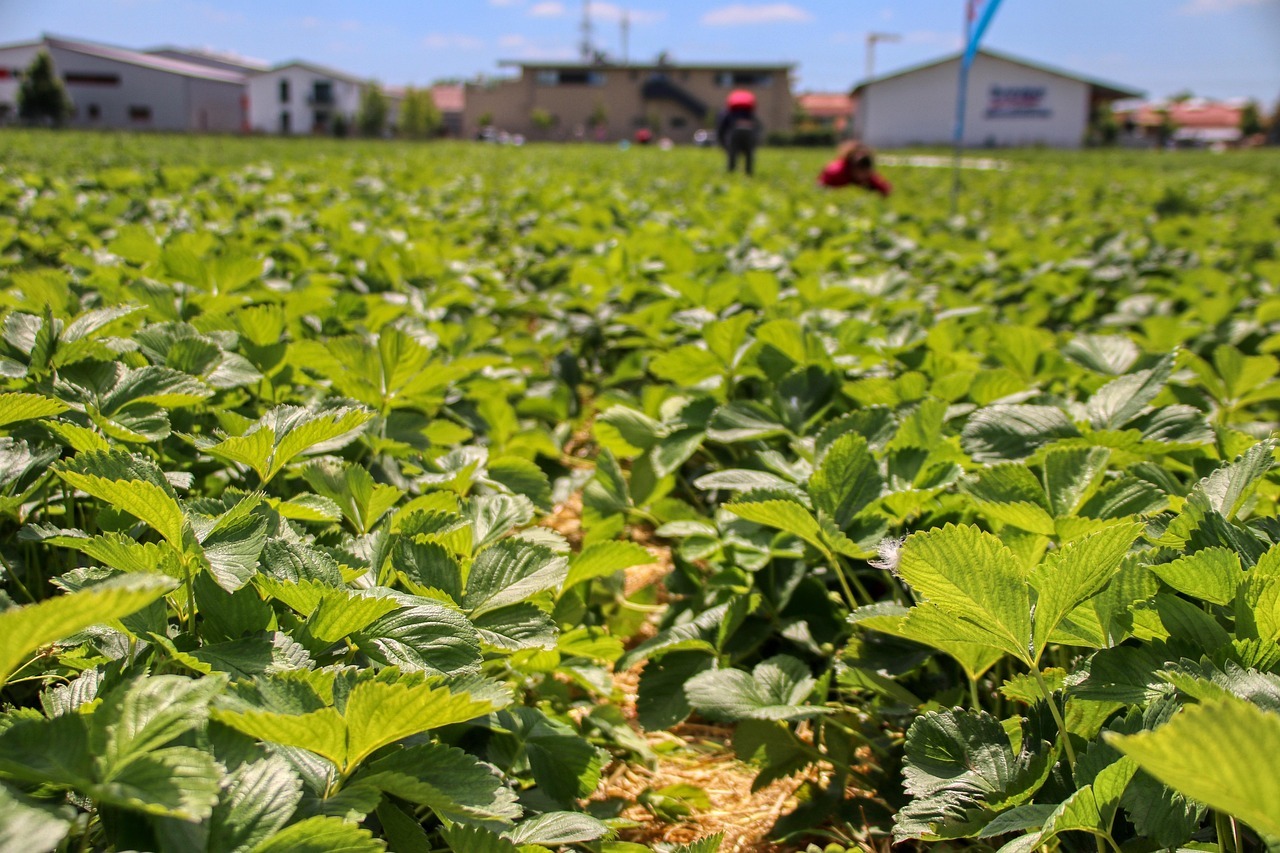
Why growers adopt biochar
- Improve water resilience
Biochar is widely studied for its ability to influence soil water retention, especially in water-limited or sandy soils. - Improve nutrient efficiency
Biochar’s chemical properties can support nutrient retention and cycling, potentially improving fertilizer effectiveness depending on system conditions. - Build soil organic carbon over time
Biochar is produced via pyrolysis and can represent a stable form of carbon in soils relative to many short-lived organic inputs.
Where biochar fits best
Row crops
-
Incorporation pre-plant
-
Specialty crops & high-value production
-
Compost-biochar blends for distribution
Specialty crops & high-value production
-
Root zone optimization
-
Improved uniformity in beds and blocks
-
Compost-biochar blends for distribution
Perennial systems
-
Orchard and vineyard row incorporation
-
Establishment and replanting zones
-
Long-term soil function building
Practical application approaches
The US Biochar Initiative emphasizes a “4R” approach and notes outcomes depend on interacting factors (soil/crop/management/environment).
- Incorporate into the root zone
When: you can till or cultivate
Why: uniform placement typically supports consistent performance. - Band, strip, or row placement
When: minimizing total material while targeting plant zones
Why: concentrates biochar where it’s most useful. - Blend with compost or organic amendments
When: you want faster biological integration and easier spreading
Why: supports early nutrient/microbial dynamics and improves handling. - Use in potting substrates / transplant mixes
When: controlled environment starts
Why: media performance can benefit from porosity and moisture management
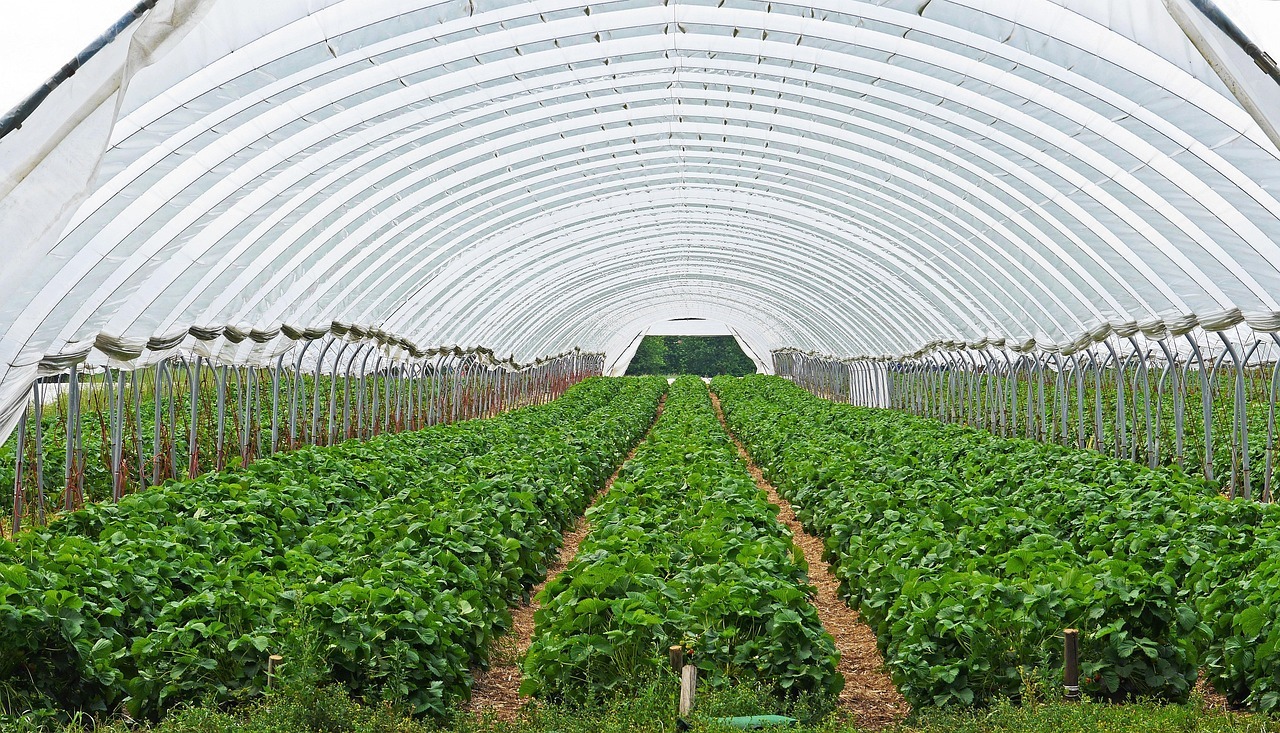
What to measure
- Soil moisture consistency and infiltration
- Nutrient test trends and fertilizer efficiency
- Soil organic carbon metrics over time
- Yield, quality, and stress response
- Soil biological indicators (where testing is available
Does biochar always save water?
Yes, it always results in water savings in the first one to two months. Adjust your watering schedule as needed.
How long does it last?
21st Century Biochar half-life in the soil is 17,000 years. Biochar used in ancient Amazonia and Roman times is still active.
Can I apply it and walk away?
Biochar is a system tool. Pair it with sound agronomy and measurement for best results.
