
pexels-laker-5732806

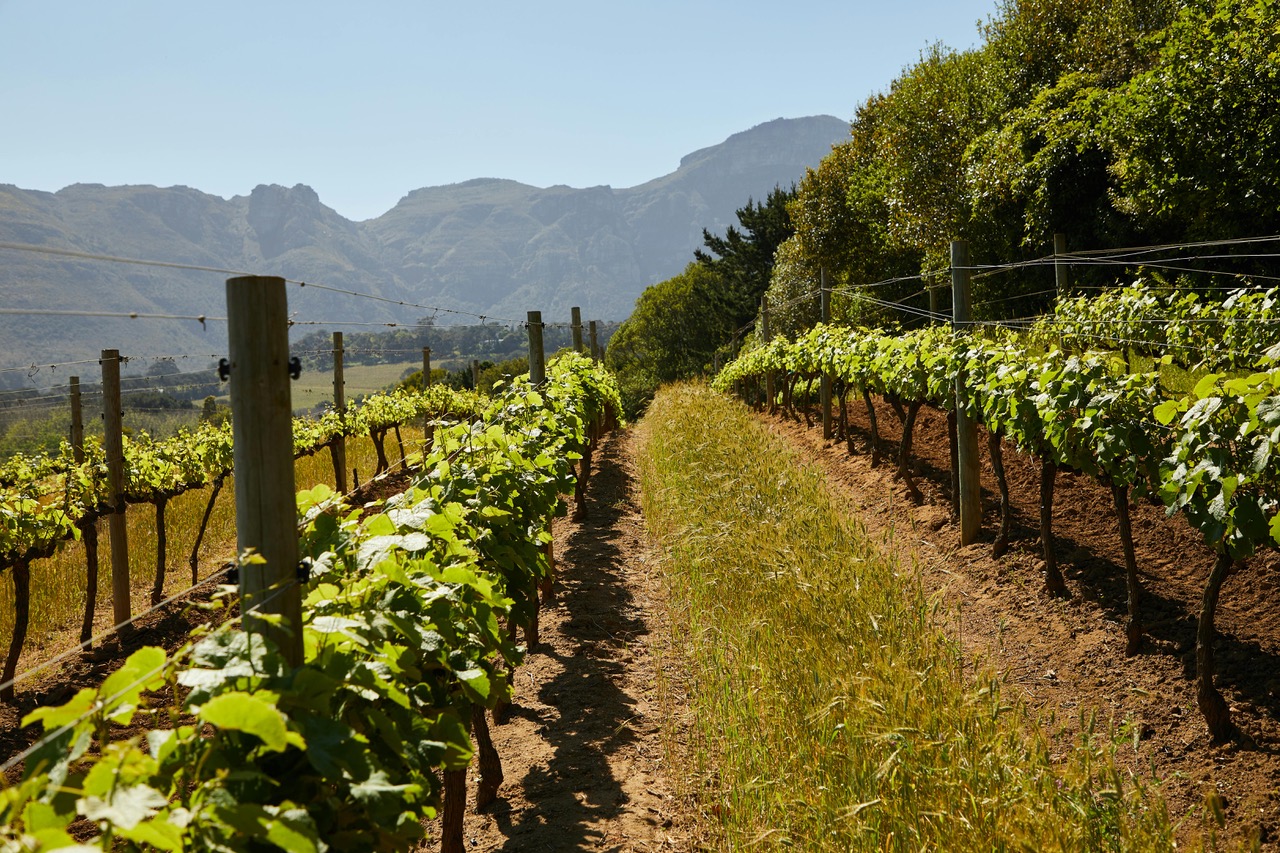
Biochar for vineyards—support soil function where it matters

Vineyards live and die by soil balance: water availability, nutrient dynamics, and biological function. Reviews and trials in viticulture report biochar can enhance soil structure and water availability and influence soil fertility and vine response—while stressing that outcomes vary by biochar type and site conditions.
biochar1

What vineyard managers are trying to solve

Drought and heat stress

Supporting water availability in the root zone can help vines navigate dry periods and reduce volatility in plant performance.

lineart A one color icon with thick lines using this themes green color 648f35 wiht no words or symbols to show declining soil quality
Slope erosion and runoff

Many vineyard blocks face erosion risk; soil structure and organic carbon strategies matter for long-term stability.

lineart A one color icon with thick lines using this themes green color 648f35 wiht no words or symbols to show   improved nutrient cycling and retent
Compaction and reduced soil life in rows

Over time there is compaction resulting in a reduction of pore space and water retention.

How biochar can help in vineyard systems

Drought and heat stress
Improve soil physical properties

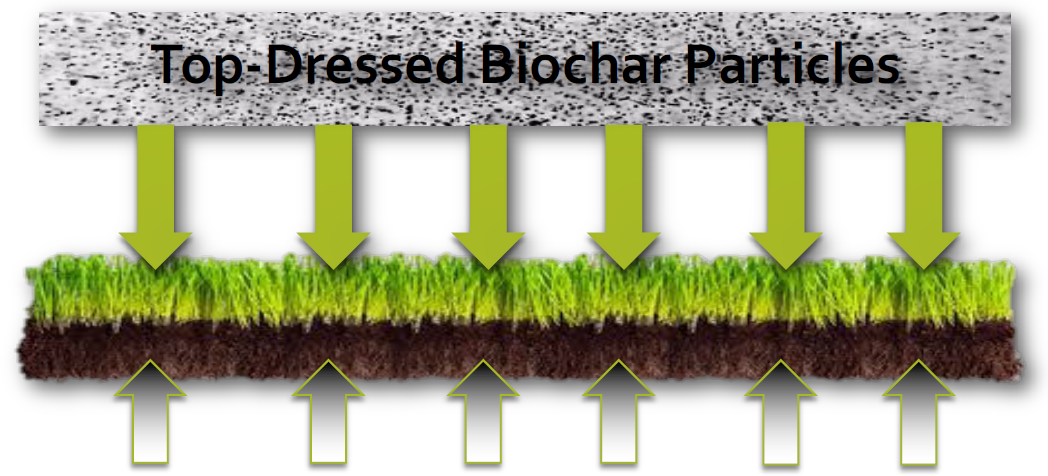
Biochar can influence aggregation, porosity, and water-related behavior depending on the soil and biochar characteristics.

lineart A one color icon with thick lines using this themes green color 648f35 wiht no words or symbols to show declining soil quality
Support nutrient cycling and soil chemistry

Biochar can increase cation exchange capacity and influence nutrient dynamics in some conditions.

lineart A one color icon with thick lines using this themes green color 648f35 wiht no words or symbols to show   improved nutrient cycling and retent
Provide habitat for biology

Biochar’s structure can support microbial communities—important for living soils and nutrient cycling.

pexels-laker-5732806

Where biochar fits in the vineyard

lineart A one color icon with thick lines using this themes green color 648f35 wiht no words or symbols to show   improved nutrient cycling and retent
New blocks and replanting
  • Root zone optimization during establishment
  • Row incorporation with compost blends
lineart A one color icon with thick lines using this themes green color 648f35 wiht no words or symbols to show Durability of soil with carbon
Existing blocks
  • Under-vine band incorporation (where practical)
  • Row middle programs combined with compost and cover crops
lineart A one color icon with thick lines using this themes green color 648f35 wiht no words or symbols to show declining soil quality
Problem areas
  • Sandy pockets that dry out too quickly
  • Heavy soils that need structure support

Implementation approach

Define the goal

(water buffering, soil structure, organic carbon, nutrient retention).

Select the right product form

(particle size and handling method)

Apply using best-practice guidance

(right source/place/rate/timing)

Measure block-to-block differences

and refine your objectives.

Vineyard FAQ


Will biochar change wine quality?
No. Soil treated with biochar will require less water and nutrients. Adjust your schedule to match changing requirements.
Does it work in all soils?
Yes. However, the response may vary depending on the type of soil. 
Do you help with rates and methods?
Yes—we guide selection and application using best-practice frameworks.