.png)


How biochar is manufactured—process, controls, and quality
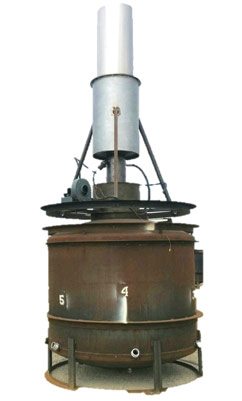
21st Century Biochar developed a patented, slow-pyrolysis technology to make consistent, high quality biochar every time using company-designed kilns and computer control systems. Each kiln automatically adapts to nature’s anomalies without human intervention. The kilns are approved and permitted to meet EPA clean air standards and at full strength, a manufacturing site can use 100s of kilns.
Feedstock selection
Biochar begins with biomass—often woody residues or agricultural byproducts. Feedstock selection influences final characteristics and consistency.
We’ll prioritize responsibly sourced biomass and consistent preprocessing to reduce batch variability and support predictable field performance..jpg)
Preprocessing
Right size, right moisture
Before thermal conversion:
-
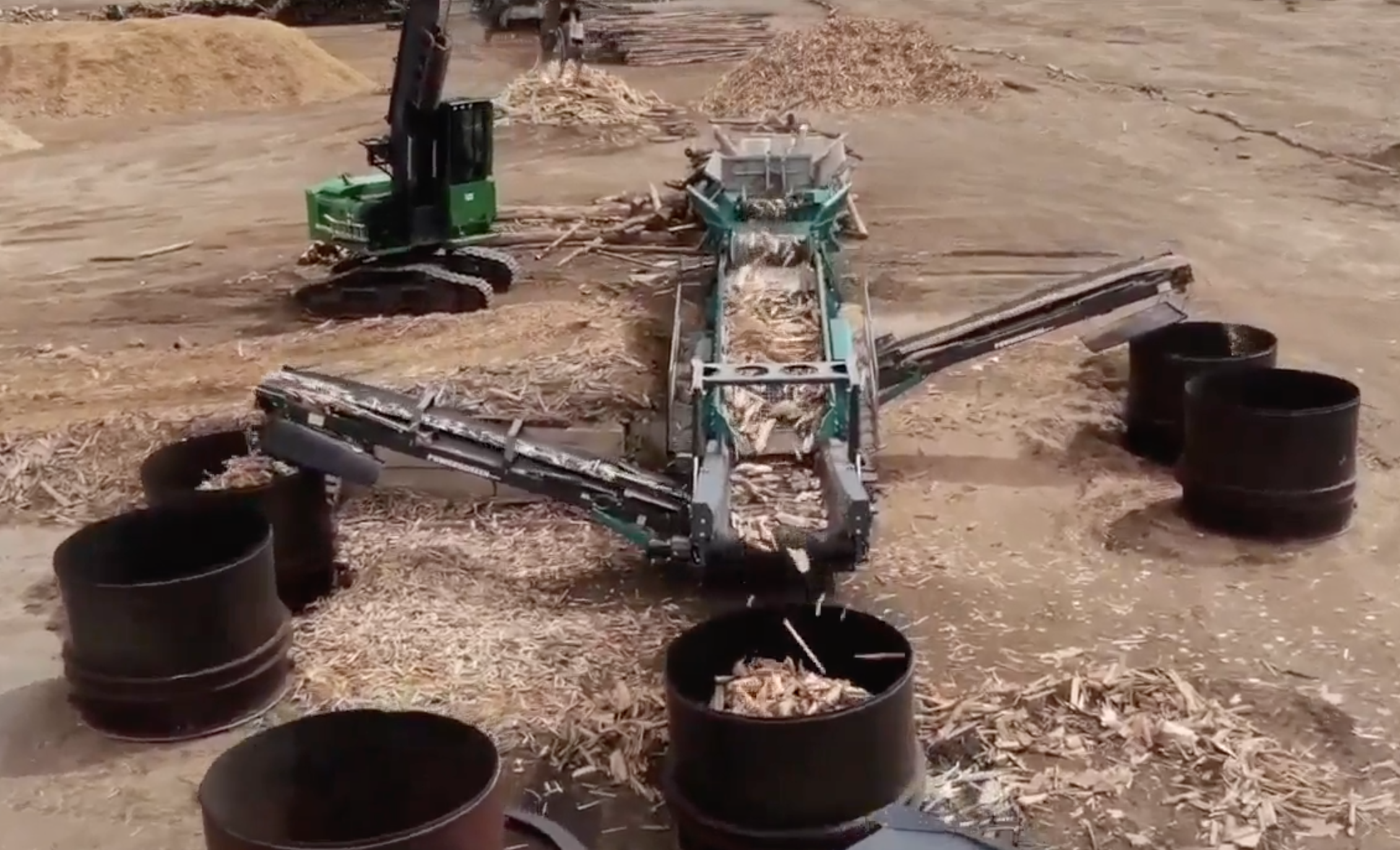
Biomass may be shredded or sized for consistent heating
-
Moisture is managed for stable processing and emissions performance
Pyrolysis
The conversion step
Pyrolysis is the heat-driven breakdown of biomass with limited oxygen, releasing gases and leaving a carbon-rich solid product.
Why “process control” matters
Temperature profile, airflow, residence time, and feedstock behavior influence:
-
porosity and surface characteristics
-
stability of carbon
-
ash/mineral content
-
handling properties & dust potential
Emissions & environmental controls
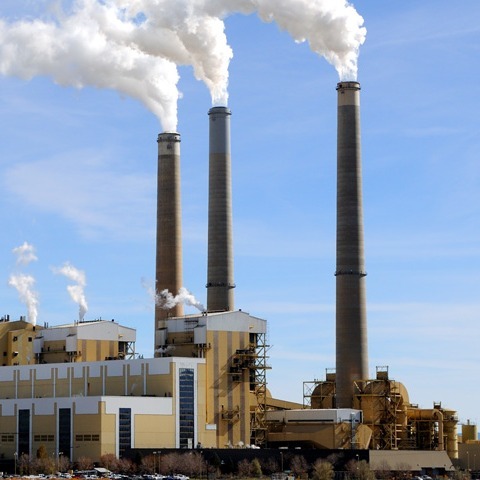
Responsible biochar production includes attention to smoke and emissions controls; technology and permitting vary by facility and region. (Industry examples describe systems designed to convert smoke/undesirable emissions into cleaner exhaust.)Cooling, finishing, & sizing
After pyrolysis, biochar is cooled and then commonly:
-
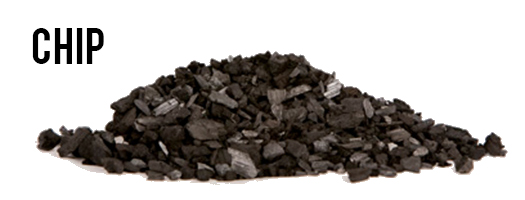
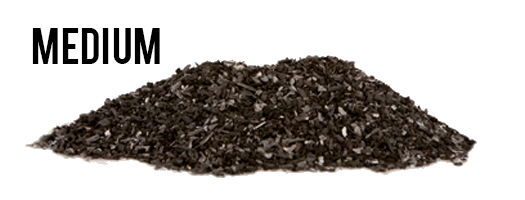
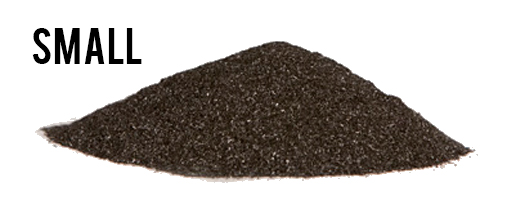
Crushed and screened into practical particle sizes for different applications
-
Packaged into bag and bulk formats for project needs
Quality: what buyers should ask for
Use this as a buyer education checklist:
-
Feedstock transparency
-
Production method description
-
Particle size distribution
-
Moisture and dust handling guidance
-
Recommended application methods and support aligned with best practices
